The U.S. Abolishes Beneficial Ownership Reporting for Domestic Companies: Implications for Business and International Regulation
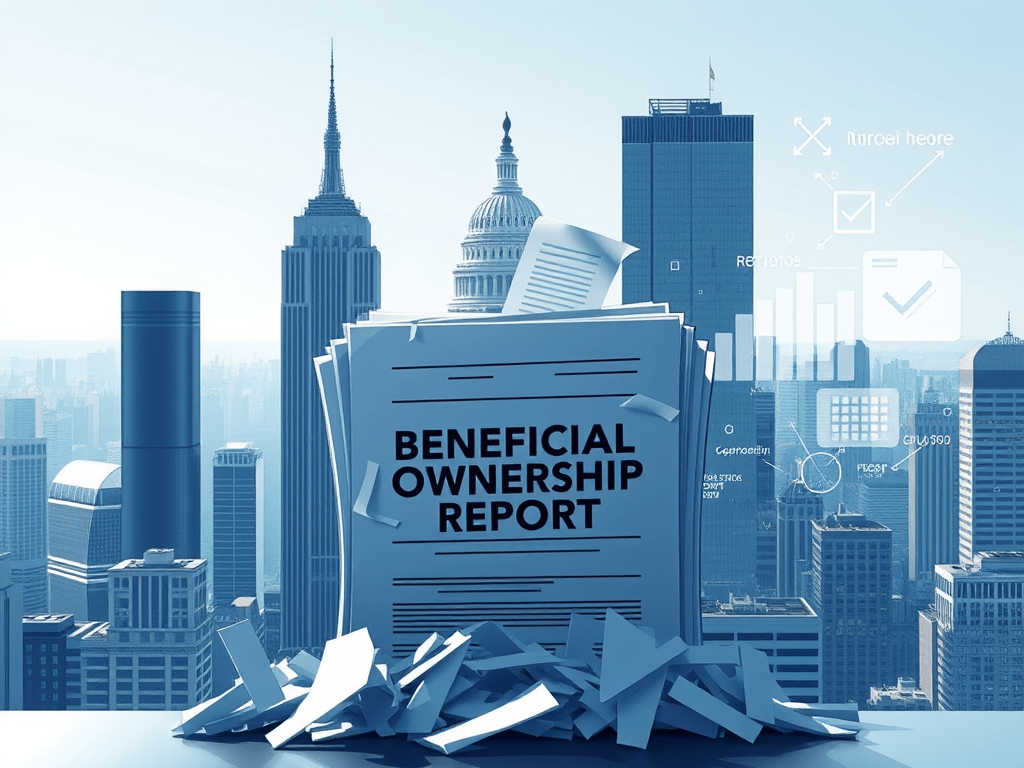
After prolonged debates and legal challenges, the U.S. Department of the Treasury has decided to abolish the Corporate Transparency Act (CTA) requirements for beneficial ownership reporting for all U.S. legal entities. This decision relieves domestic companies from the obligation to submit such information, which was previously mandatory for newly established businesses starting in 2024 and for already registered entities by the 2025 deadline.
However, foreign companies will still be required to comply with reporting obligations, though the details will be subject to public discussions. At the same time, questions remain about whether this change aligns with international financial transparency standards, particularly those set by the Financial Action Task Force (FATF).
Impact on International Regulation and the Financial Sector
The U.S. decision to repeal reporting requirements for domestic companies may affect its international commitments. Last year, FATF deemed the Corporate Transparency Act sufficient to meet corporate transparency standards. However, the recent changes raise concerns about FATF’s stance and potential regulatory adjustments for the U.S.
FATF plays a key role in combating financial crimes and money laundering worldwide. Its regulations are enforced across jurisdictions.
Despite these regulatory changes in the U.S., companies operating in financial and crypto-related services must continue to comply with global AML standards to maintain legitimacy and avoid penalties.
The Importance of KYC and AML Compliance
The Know Your Customer (KYC) process is an essential component of AML regulations, designed to prevent financial fraud and illicit transactions. Failure to comply with these requirements can lead to severe consequences, including:
- Regulatory fines (in the U.S., EU, Canada, and other jurisdictions);
- Freezing or blocking of business accounts;
- Revocation of licenses and termination of business operations.
To mitigate these risks, companies engaged in financial and crypto-related services must implement robust AML programs and regularly update compliance policies to align with evolving regulatory standards.
How FinanceIQ Hub Helps Businesses Meet International Standards
FinanceIQ Hub provides comprehensive solutions for companies seeking to operate legally in the cryptocurrency and financial services sectors. Our services include:
- Company registration in the U.S.
- Obtaining MSB FinCEN (Money Services Business) and FINTRAC FMSB status to provide cryptocurrency services to residents of the United States and Canada, as well as to ensure legal operation in other countries.
- Development of AML policies and procedures and other internal policies in accordance with regulatory requirements.
- Employee training on AML and KYC compliance, helping businesses avoid risks and fines.
- Integration of leading KYC/AML service providers (even Crystal Blockchain), for effective transaction monitoring.
Adhering to international regulatory standards is not just a necessity but a guarantee of stable and secure business operations in the financial sector. FinanceIQ Hub offers all the necessary tools to ensure lawful and safe business practices on a global scale.
For consultation on company registration, licensing, and AML compliance solutions, contact us today!
 FinanceIQ Hub
Leave a comment