
Custodial vs. Non-Custodial Wallets: Which One to Choose for Secure Crypto Storage?
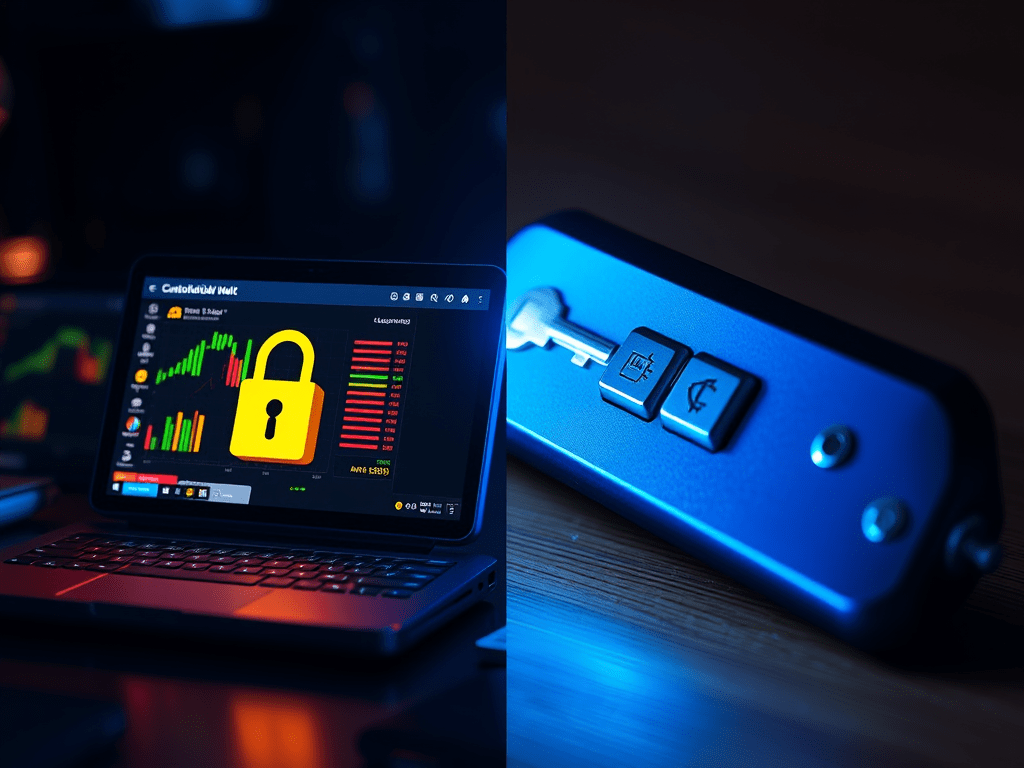
Storing cryptocurrency securely is one of the most critical aspects of managing digital assets. Crypto holders have two main types of wallets to choose from: custodial and non-custodial. Each has its advantages and drawbacks that can significantly impact the safety of your funds. Let’s explore the key differences and determine which option suits your needs best.
Custodial Wallets: Convenience with Trade-Offs
Custodial wallets are services that store users’ private keys and take responsibility for asset security. The most common examples include crypto exchanges (Binance, Coinbase, Kraken) or specialized platforms that offer custody services.
Advantages of Custodial Wallets:
✅ Ease of use – users don’t have to worry about managing private keys or technical security aspects.
✅ Account recovery – if you lose your password, the service provider can help restore access.
✅ Integration with financial services – exchanges offer additional features such as staking, trading, and lending.
Disadvantages:
❌ Lack of full control – users entrust their funds to a third party, which contradicts the core principle of decentralization.
❌ Risk of freezing or hacking – exchanges may freeze funds due to regulatory requirements or fall victim to cyberattacks.
❌ Regulatory oversight – governments may impose restrictions that affect fund accessibility.
Non-Custodial Wallets: Full Control and Responsibility
Non-custodial wallets give full control over private keys, meaning that only the wallet owner has access to their funds. Popular examples include MetaMask, Trust Wallet, Ledger, and Trezor.
Advantages of Non-Custodial Wallets:
✅ Complete autonomy – only you have access to your funds, with no intermediaries.
✅ Enhanced security – even if exchanges or platforms freeze accounts, your assets remain safe in your wallet.
✅ Decentralization – aligns with the core philosophy of cryptocurrency: “not your keys, not your crypto.”
Disadvantages:
❌ Losing your keys = losing your funds – if you forget your seed phrase, recovery is impossible.
❌ Complexity for beginners – managing private keys and security can be challenging for newcomers.
❌ No customer support – no company can help you recover lost access.
Which One Should You Choose?
- If you prioritize convenience and ease of use and trust the platform, a custodial wallet is the better option.
- If you seek maximum control and security, a non-custodial wallet is the ideal choice.
How FINANCEIQ HUB LTD Can Help You Secure Your Crypto Assets
At FINANCEIQ HUB LTD, we provide expert consulting and support for businesses and individuals in choosing the best crypto storage solutions. If you are planning to operate in the crypto finance industry, we can assist you with:
🔹 Obtaining an MSB Canada license – the perfect solution for businesses seeking a legal crypto operation framework.
🔹 Obtaining a European MiCA license – ensuring compliance with the latest EU regulatory standards.
🔹 Opening bank accounts for crypto businesses – enabling secure asset management and fiat transactions.
Don’t take risks with your digital assets — contact FINANCEIQ HUB LTD today and get professional guidance in the crypto world! 🚀
 FinanceIQ Hub
Leave a comment